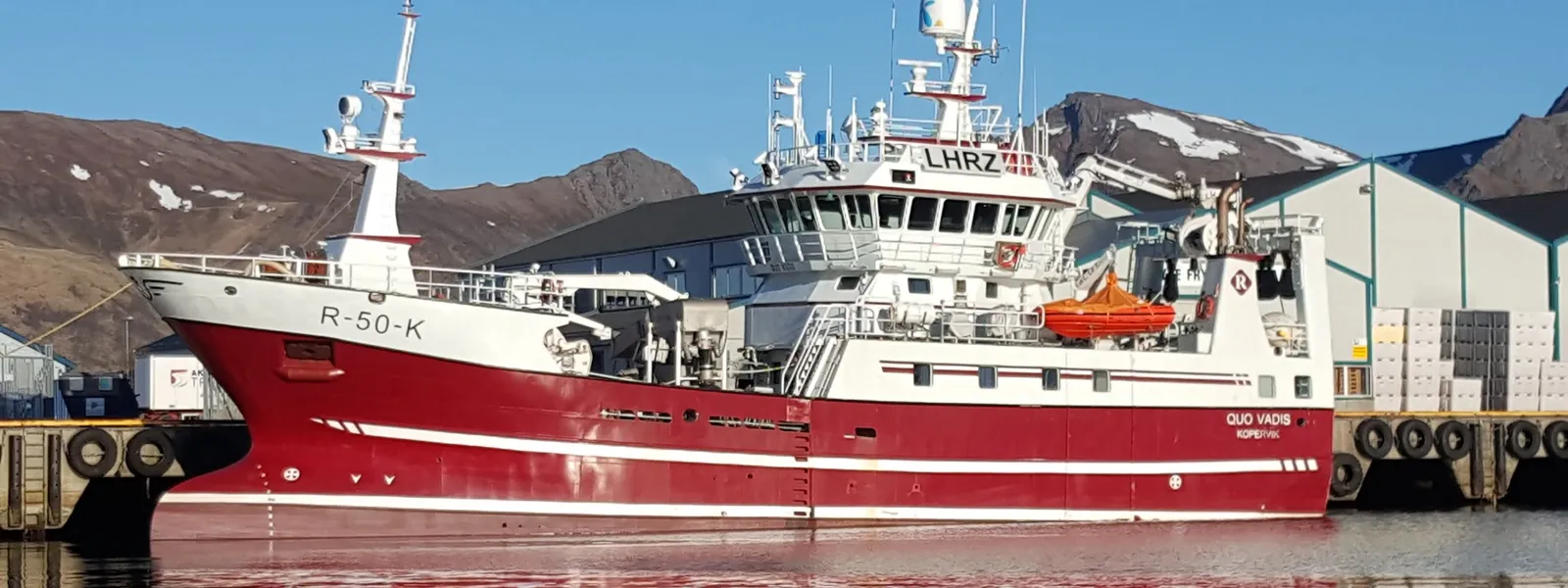
STCW-F Compliance Guide for Fishing Vessel Operators
This guide separates the 1995 STCW-F Convention on training, certification, and watchkeeping from work/rest rules under ILO C188 and applicable Norwegian law. STCW-F’s revised annex and new code took effect on 1 January 2026. Numeric 10h/24h, 77h/168h, and split-rest limits come from applicable national and ILO C188 rules, not STCW-F itself.
Quick Answer
STCW-F is the 1995 convention on training, certification, and watchkeeping for fishing vessel personnel; its revised annex and new code took effect on 1 January 2026. Numeric fishing work/rest limits come from applicable national rules and instruments such as ILO C188, not from STCW-F itself. MarRest can record hours and support review, but does not certify STCW-F compliance.
Official Sources
- IMO fishing vessel personnel training overview — Official IMO context for STCW-F.
- ILO Work in Fishing Convention, 2007 (No. 188) — Official ILO convention text and status.
- FOR-2017-11-10-1758 — Norwegian watchkeeping and operational regulation.
Where rest-hour records usually break down
Most findings do not start with someone deciding to ignore the rules. They start with weather, catch timing, or manning pressure, followed by a watch change that is logged late or not explained.
This guide focuses on the records inspectors actually compare: the plan before departure, what happened on board, and what the master or company did when the plan changed.
Which rules affect which records
The frameworks overlap, but each one points to a different part of the file you need to keep ready.
STCW-F 1995 and the revised code
STCW-F is the 1995 convention on fishing vessel personnel training, certification, and watchkeeping. Its revised annex and new STCW-F Code took effect on 1 January 2026. It is not the Torremolinos 2012 agreement, and it is not itself the source of numeric fishing work/rest limits.
ILO C188
ILO C188 covers work and welfare conditions for fishers and can supply numeric rest requirements where it applies. The vessel’s flag-state and national implementation determine the exact obligations.
FOR-2017-11-10-1758
For Norwegian vessels, inspectors will compare plans, logs, and follow-up notes against vessel activity. If the trip changed, the records should show how and why.
STCW, STCW-F, ILO C188, MLC 2006, and Norwegian implementation
These frameworks are related, but they do not do the same job. Fishing vessel operators should map each one to the records and duties it actually governs.
| Framework | Main focus | Fishing vessel relevance |
|---|---|---|
| STCW | Training, certification, and watchkeeping standards for seafarers. | Useful background for maritime watchkeeping language, but fishing vessels are addressed more directly through STCW-F. |
| STCW-F | Training and certification standards for fishing vessel personnel. | The fishing-specific reference for competence, certification, and watchkeeping. The revised annex and code have applied since 1 January 2026. |
| ILO C188 | Work, welfare, health, and living conditions for fishers. | A source of work/rest protections where applicable, subject to flag-state implementation. |
| MLC 2006 | Maritime labour standards for many seafarer work/rest and welfare contexts. | Relevant as a broader maritime labour reference, but fishing-specific requirements should be checked against STCW-F, ILO C188, and flag-state rules. |
| Norwegian implementation | National rules, inspection practice, and accepted documentation expectations. | Determines how Norwegian operators prove compliance through watch plans, operations plans, records, deviations, and corrective actions. |
Rest-hour rules to build into the routine
The numbers are simple. The hard part is checking them while the vessel is working, not days later in the office.
Minimum 10 hours rest in any 24-hour period
Applicable rules may require at least 10 hours rest in any 24-hour period. A process that only checks midnight to midnight can miss deficits across calendar boundaries. MarRest samples 24-hour windows at hourly checkpoints ending at HH:59:59 rather than continuously.
Minimum 77 hours rest in any 168-hour period
Applicable rules may require at least 77 hours rest in any 168-hour period. A vessel may appear acceptable day to day while repeated shortfalls reduce weekly rest. MarRest evaluates one 168-hour window at each calendar day-end and relevant report checkpoints, not every possible rolling endpoint.
Split-rest structure: 6h/14h
Where applicable rules permit split rest, one rest block may need to be at least 6 continuous hours and the interval between consecutive rest periods no more than 14 hours. MarRest’s split analysis bridges gaps under one hour and also under six hours, checks selected checkpoints, and does not model legal exceptions; its result therefore needs human review.
Required documentation: watch plans and operations plans
Two documents often determine whether the logbook makes sense during inspection:
Watch plan
The watch plan is your planned manning and watch structure. It should show who is expected to work and rest across relevant voyage phases. A copied template is weak if it does not match the trip.
Operations plan
The operations plan provides context for how the voyage or fishing operation is expected to run. It should explain anticipated intensity periods and resource allocation assumptions. Good operations plan quality helps inspectors understand why specific adjustments were made.
How they work together
The planned watch schedule, operations plan, actual records, and corrective actions should tell the same story. If the logbook differs from the plan, add a short reason.
A practical compliance workflow for fishing fleets
A simple routine works better than a large manual cleanup before inspection.
Step 1: Pre-voyage risk mapping
Before departure, identify periods where work intensity is likely to spike: season openings, quota pressure, poor weather windows, gear incidents, and long-haul transitions. Mark these as high-risk periods in planning documents.
Step 2: Build realistic watch plans and operations plans
Do not build a plan that only works in fair weather. If the season, route, or fishery is likely to create pressure, write that into the plan.
Step 3: Configure review thresholds and alerts
After confirming the applicable rules, configure review thresholds for 10h/24h, 77h/168h, and split-rest intervals. Treat software alerts as prompts for operational and legal review, not as certification.
Step 4: Daily recording of actual hours
Require same-day entry wherever possible. Late reconstruction introduces memory errors and weakens defensibility. Encourage concise variance notes when actual events diverge from plan.
Step 5: Exception triage and corrective action
When limits are at risk, document the actual response: watch redistribution, temporary task changes, staffing escalation, or modified operations. Record who decided and when.
Step 6: Weekly management review
At least weekly, review vessel-level patterns for repeated deficits and delayed entries. Persistent patterns require system changes, not repeated reminders.
Step 7: Inspection readiness checks
Run periodic internal checks where someone compares the watch plan, logbook, deviations, and follow-up notes. Use a structured list such as the STCW-F compliance checklist.
Control table: what to monitor and what to do
| Control area | Minimum expectation | Common failure | Corrective action |
|---|---|---|---|
| 24-hour rest | At least 10h in any applicable 24h period | Calendar-day checking only | Use appropriately frequent checkpoints and daily review |
| 168-hour rest | At least 77h in any applicable 168h period | Short deficits repeated over days | Track trend breaches and trigger management escalation |
| Split-rest structure | One block at least 6h, max 14h interval | Long interval drift in peak operations | Pre-plan backup watch allocation for busy windows |
| Watch plan quality | Role-accurate and voyage-specific schedule | Template copied without adaptation | Require pre-voyage sign-off and variance rationale |
| Operations plan coherence | Operational plan linked to manning assumptions | Plan disconnected from actual fishing profile | Update plan when conditions materially change |
| Record timeliness | Same-day entry of actual work/rest | Bulk backfill before inspection | Set entry deadlines and automated reminders |
| Corrective actions | Documented, timed, and attributable response | General notes without action ownership | Use structured action logs tied to breaches |
How to handle unavoidable high-intensity periods
Fishing operations include periods where workload can spike quickly and unexpectedly. The compliance objective is not pretending these periods do not exist. The objective is managing them transparently and safely.
Establish escalation triggers in advance
Define objective thresholds before the period begins: expected overtime density, number of consecutive shortened rests, and delay in records. When thresholds are crossed, escalation should be automatic rather than discretionary.
Use temporary risk controls
Possible controls include task redistribution, shorter operational bursts with recovery windows, additional relief arrangements, and operational pacing changes. Whatever control is chosen, record the rationale and timing.
Document reality, not idealized narratives
Inspection confidence improves when records reflect true operations with clear mitigations. It weakens when records appear perfect despite known high-pressure conditions.
Typical inspection questions and strong answers
Preparing crews for likely questions reduces stress and improves consistency:
"Show how your plan matched actual operations."
Strong answer: present the watch plan, operations plan, actual records, and variance notes in one timeline, with corrective action entries where limits were threatened.
"How do you prevent recurrence after a breach?"
Strong answer: show root-cause analysis and process adjustments (watch allocation, planning assumptions, oversight cadence), not only a one-line remark.
"Who reviews trends at management level?"
Strong answer: identify named reviewer roles, review frequency, and documented decisions tied to vessel-level trend data.
"How do you ensure records are timely and accurate?"
Strong answer: explain entry deadlines, supervisor checks, and exception flags for delayed input.
When spreadsheets start to fail
Many fishing fleets start with spreadsheets and paper overlays. That can work at very small scale, but it becomes fragile when crew move between vessels or records are rebuilt before inspection.
Depending on the operator’s procedures, a useful digital workflow may:
- Calculate selected 24-hour and 168-hour checkpoints for review.
- Surface fatigue trends before possible deficits accumulate.
- Link plans, actual records, and corrective actions.
- Support both onboard users and shore reviewers.
- Produce a clear PDF pack for review when inspectors ask for records, subject to applicable acceptance requirements.
If your current setup still relies heavily on manual reconciliation, review why fishing fleets outgrow spreadsheets and use it as a modernization checklist.
Who owns each part of the record
Make the roles explicit before the voyage, not after a finding.
Master
Owns onboard integrity of schedules, records, and immediate corrective actions.
Officer or designated compliance lead
Maintains daily data quality, variance notes, and preliminary exception triage.
Fleet compliance manager
Reviews repeated problems across vessels and checks that follow-up actions are closed.
Operations management
Ensures planning assumptions and commercial pressure do not repeatedly push rest below the limits.
When nobody owns a step, the same exception tends to repeat.
Checks worth tracking
Track a few numbers that show whether the routine is working:
- Percentage of days with full same-day entries.
- Number of pre-breach warnings converted into preventive action.
- Rate of repeated 24-hour shortfall by role type.
- Rate of repeated 168-hour shortfall by vessel.
- Number of split-rest interval exceptions per voyage phase.
- Time from exception detection to management action.
- Inspection comments where records did not match the plan.
Review these monthly and after high-intensity seasonal blocks.
Common failure patterns and how to break them
"Plan says compliant, reality says otherwise"
Cause: static templates not tied to operation profile. Fix: vessel-specific pre-voyage planning with scenario assumptions.
"Data entered late, trust reduced"
Cause: recording burden concentrated at end of voyage segment. Fix: same-day micro-entry routines and supervisor confirmation.
"Breaches repeat without process changes"
Cause: corrective actions are local and temporary. Fix: root-cause review at management level with documented system adjustments.
"Inspection prep becomes emergency mode"
Cause: no ongoing readiness discipline. Fix: monthly internal mock inspection using a fixed checklist.
"Fatigue risk hidden behind formal compliance"
Cause: narrow focus on legal thresholds only. Fix: include trend-based fatigue indicators and intervention logs in review packs.
How this guide connects to your next actions
Use this page as the baseline, then combine it with:
- STCW-F compliance checklist for task-by-task inspection preparation.
- Norwegian fishing vessel rest-hour compliance for local implementation details and evidence expectations.
- maritime rest-hour inspection for inspector-facing preparation tactics.
- fatigue monitoring for fishing fleets for preventive management workflows.
A practical implementation order
Start with the controls that make the daily record reliable, then add trend review and inspection checks.
First: establish baseline control
Focus on fundamentals: accurate role mapping, realistic watch plan templates, and same-day recording discipline. Activate rule checks for 10h/24h and split-rest interval controls. At this stage, consistency matters more than sophistication.
Next: add weekly trend review
Add rolling 77h/168h review and classify exceptions by cause: weather, staffing, operational surge, planning error, or data quality issue.
Then: test the file like an inspector
Run a mock inspection and check whether the watch plan, records, deviations, and corrective actions can be followed without extra explanation.
Evidence package checklist for inspections
When preparing for inspection, organize documents so the reviewer can follow the voyage without asking the same question twice.
Planning records
Include the current watch plan, operations plan, and any amendments made before or during voyage phases. Amendments should include dates, reasons, and sign-off responsibility.
Actual work/rest records
Provide actual work/rest records with timestamps and user attribution. Delayed entries should be visible and explained.
Deviation records
Show all exception events with root cause notes and immediate corrective actions. Include whether actions were temporary containment or permanent process improvements.
Shore follow-up
Attach weekly or monthly review notes showing repeated issues and closure decisions.
Risk-based staffing and planning principles
Compliance success depends on staffing assumptions that match operational demand. If staffing is always planned at minimum level without surge contingencies, split-rest and weekly rest deficits become predictable.
Principle 1: model for peak load, not average load
Average-load planning often fails during seasonal spikes. Build watch plan options for high-intensity windows and define trigger criteria for switching between them.
Principle 2: protect recovery windows
Recovery windows are often sacrificed first when pressure rises. Treat them as part of the safety plan, and record the reason if they are changed.
Principle 3: define decision authority clearly
When pressure rises, unclear authority causes delay and inconsistency. Define who can adjust operations, who can reassign watch duties, and who must approve escalation actions.
Principle 4: link planning decisions to fatigue indicators
Planning changes should consider trend indicators, not only immediate workload. A vessel nearing cumulative weekly shortfall requires different decisions than a vessel with stable reserve capacity.
Training design that actually changes behavior
Training fails when it is treated as one classroom event. For STCW-F compliance, training should be embedded into routine operations with short practical drills.
Micro-drill examples
- How to record a same-day variance after unplanned gear event.
- How to document split-rest interval risk before it becomes breach.
- How to escalate recurring 77h/168h shortfall to shore management.
- How to present coherent evidence during inspection interview.
Short drills repeated over time create better adoption than one intensive session. They also reveal process gaps early, while fixes are still easy to implement.
Record rules that avoid arguments later
Define the basic record rules before there is pressure from an inspection:
- Timestamp integrity rules for all entries and edits.
- User-role permissions for recording, review, and closure actions.
- Mandatory reason codes for late entry and exception events.
- Retention and export rules for inspection response workflows.
These rules reduce arguments about whether the log can be trusted.
What weak and strong files look like
A weak file has generic watch templates, late entries, and one-line explanations after a breach. A strong file shows the planned watch, the change that happened on board, who approved it, and how the crew recovered rest.
For fleet operators, the useful comparison is not a score. It is which vessels need help with same-day entry, variance notes, or weekly review before the next busy season.
Final takeaway
Supporting STCW-F watchkeeping duties and applicable fishing work/rest rules comes down to simple habits done consistently: realistic plans, same-day records, short deviation notes, and follow-up when limits are close. MarRest supports those records and reviews; it does not certify STCW-F compliance.
If your current process still depends on rebuilding the story before inspection, start with the watch plan, same-day recording, and weekly review.