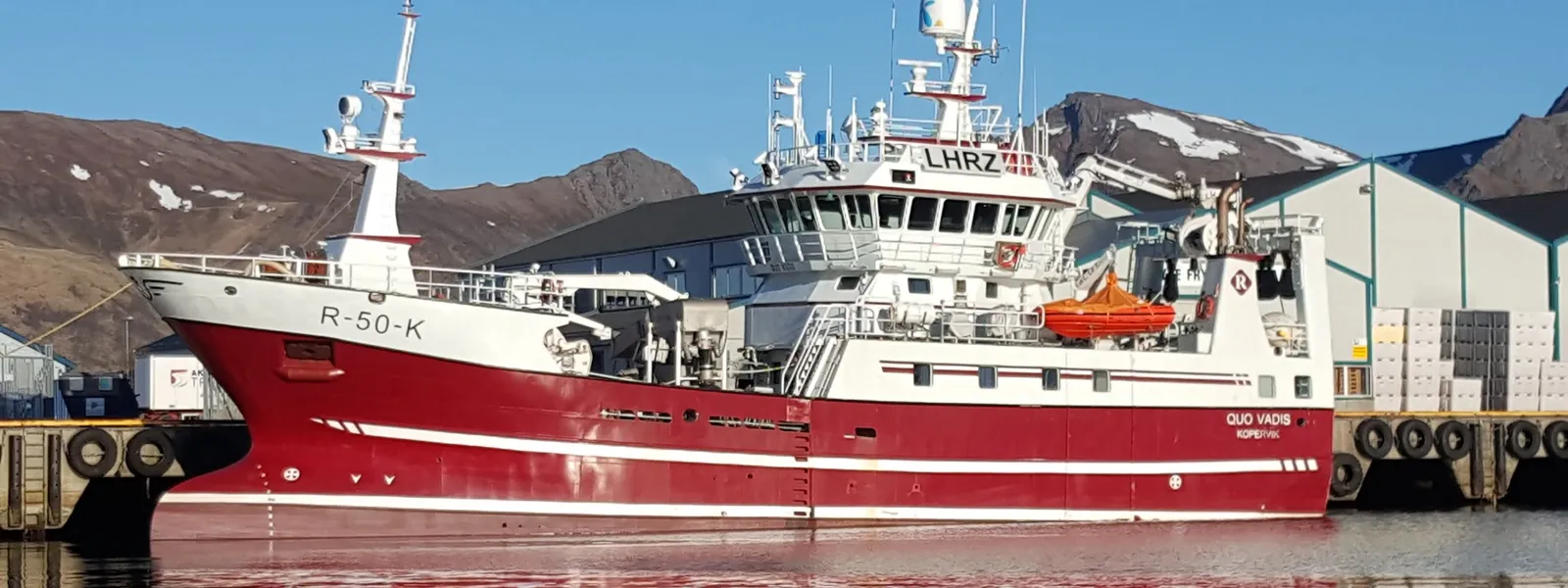
Norwegian Fishing Vessel Rest Hour Compliance
Norwegian fishing operators are expected to prove that watchkeeping, manning, and fatigue controls are managed in real operation, not only written in policy. This guide explains how to organize evidence for inspection under Skipssikkerhetsloven and related regulations; acceptance depends on the rules applicable to the vessel.
Quick Answer
Norwegian fishing vessel operators should maintain controlled documentation under the rules applicable to their vessel: realistic watch plans, actual work/rest records, deviation notes, corrective actions, and review evidence. Do not assume that a specific form or a software export is accepted without checking current flag-state requirements.
Official Sources
- Sjøfartsdirektoratet — Norwegian Maritime Authority official website.
- Skipssikkerhetsloven §23 — Manning, operation, and safety-critical staffing.
- Skipssikkerhetsloven §24 — Qualifications and safe execution.
- FOR-2017-11-10-1758 — Norwegian watchkeeping and operational requirements.
What Norwegian inspectors usually verify first
During port state or targeted fishery inspections, authorities typically compare your documented watch and rest arrangement against real voyage and fishing activity. They want to see that fatigue risk is identified, communicated, and corrected when operations become intense.
- Whether the planned watch structure is realistic for crew size and trip profile.
- Whether rest records are updated continuously rather than reconstructed afterward.
- Whether deviations (weather, machinery, emergency catches) are documented with corrective action.
- Whether masters and officers sign and review records at a meaningful cadence.

Documentation approaches to verify
Many fleets ask whether one exact template is required. Requirements and acceptance can depend on the vessel, operation, flag-state rules, and current authority guidance. Verify the permitted approach before relying on either of these commonly discussed workflows:
Alternative 1: KS-0300 form workflow
A KS-0300-style form may provide a structure for logging planned and actual work/rest conditions where the applicable rules or authority guidance accept it. Confirm the correct current form and its applicability before use.
- Use one signed version per reporting period and retain revision history.
- Capture exceptions directly on the form, not only in verbal handover.
- Link the form to bridge log references and fishery activity periods.
Alternative 2: Watch plan and operations plan embedded in ISM
An ISM-controlled watch plan and operations plan may form part of the required documentation, but operators should not assume that these replace a standalone form. Confirm the accepted format and required content for the vessel.
- Define watch duty allocation by role and time block.
- Record operational deviations and resulting rest recovery actions.
- Show approval flow: officer entry, master review, and company oversight.
- Keep records discoverable for onboard and shore-based audits.
Evidence package for review
| Evidence area | What to prepare | Inspection value |
|---|---|---|
| Legal mapping | Internal matrix linking Skipssikkerhetsloven §23-24 and FOR-2017-11-10-1758 to onboard procedures. | Shows that legal duties are translated into practical routines. |
| Operational records | Work/rest entries, watch logs, and trip context (fishing intensity, weather, maintenance). | Proves execution rather than policy-only compliance. |
| Deviation handling | Reason for exception, affected crew, compensating rest plan, and close-out confirmation. | Demonstrates control of fatigue risk under pressure. |
| Management review | Master and company review notes with trend actions and training follow-up. | Confirms the system improves over time. |
Practical implementation sequence onboard
- Confirm the applicable documentation requirements with current authority guidance.
- Define mandatory entries and daily sign-off times before departure.
- Train officers on deviation recording during active fishing and transit periods.
- Run weekly quality reviews to detect impossible schedules or missing handovers.
- Organize a clean, chronological record package before every expected inspection.
Why digital workflows reduce risk
Paper and spreadsheet methods can work, but high-tempo fisheries create version confusion and late updates. Digital timelines can help when changes have context, author, and timestamp. MarRest provides a change history and PDF exports, but the PDF currently prints names rather than signature timestamps and does not provide a PKI signature.
Frequently Asked Questions
Which legal sources do inspectors usually ask for?
Most checks point to Skipssikkerhetsloven §23-24, the watchkeeping and manning regulation FOR-2017-11-10-1758, and your vessel specific procedures. Keep copies in your ISM document library and onboard briefing binder.
Is the KS-0300 form mandatory for every vessel?
Do not assume either that KS-0300 is mandatory or that an alternative is automatically accepted. Check current Norwegian Maritime Authority requirements for the vessel and operation before choosing a form or ISM-controlled documentation method.
Can a watch plan replace daily work/rest logs?
A watch plan alone often shows planned staffing but not always actual rest achieved. Pair it with operational logs or digital records that capture deviations, relief timing, and compensation rest.
How often should we review rest compliance onboard?
Review daily for active fishing periods and formally summarize weekly. Captains should sign off trend checks before port calls or inspections.
What happens when weather forces schedule changes?
Record the operational reason, impacted crew, and recovery plan in your ISM deviation flow. Authorities expect a clear reason and follow-up, not perfect static schedules.
Do officers and deckhands follow the same rest rules?
Baseline protections apply across onboard roles, while assigned duties and watch patterns differ. Your documentation should map role-specific schedules to the same legal rest principles.
How detailed should compensation rest records be?
Include dates, start and end times, triggering event, and approving officer. Inspectors need to see that reduced rest was exceptional and actively corrected.
Can spreadsheet records still pass inspection?
Yes, if version control, signatures, and edit history are reliable. In practice, many vessels move to dedicated systems to reduce formula errors and missing entries.
Should rest records be in Norwegian only?
Norwegian is recommended for domestic audits, but bilingual support can help multinational crews and external reviews. Ensure terminology is consistent with your approved procedures.
What is the biggest reason vessels fail documentation checks?
Mismatch between planned watches and actual operation. If catch pressure changed shifts but records remained unchanged, auditors ask why the logbook does not match the trip.
How long should we keep rest documentation?
Keep according to your ISM retention policy and any company legal guidance. A practical baseline is to retain full records long enough to cover internal audits, external inspections, and incident follow-up.
How does MarRest support Norwegian compliance workflows?
MarRest records work/rest data and supports calculations, warnings, review, change history, and exports. Operators should verify which planning, deviation, endorsement, and format requirements apply and whether the resulting export is accepted.
See MarRest on your vessel
Request a free demo and walk through rest-hour logging with captains who built the system.
See MarRest on your vessel